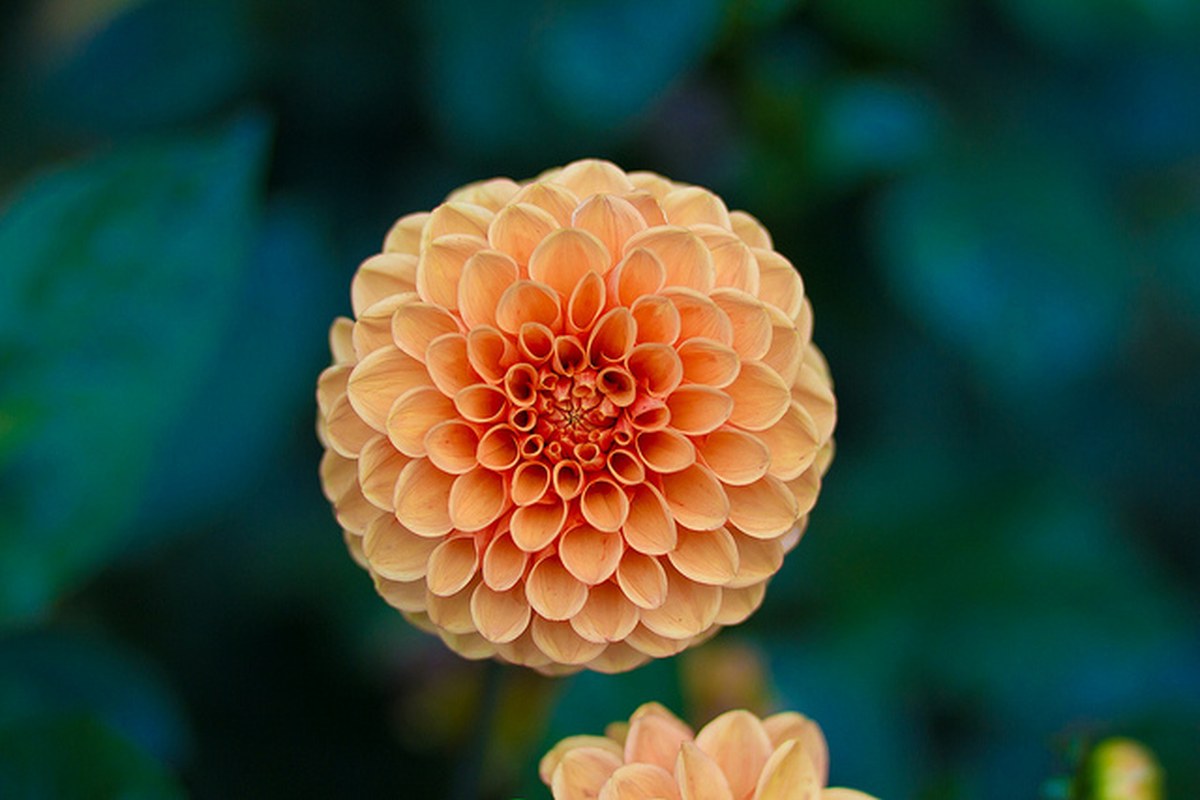
Learn a Small Garden One Flower at a Time
A garden can be visually overwhelming when you first try to understand it. There are leaves at different heights, flowers opening and fading, stems crossing one another, and names that refuse to stay in memory. A slower approach is more useful: choose one flower, then another, and learn the place through repeated visits.
Start with what catches your eye
You do not need to begin with the rarest plant or the most botanically important one. Pick a flower you naturally notice because of its color, shape, scent, or position in the garden. Interest is a better memory aid than obligation.
Look at the whole plant before focusing on the bloom. Is it upright or spreading? Are the leaves close to the ground or carried along the stem? Does one plant hold many flowers, or only a few large ones? These basic observations make identification easier later and help you recognize the plant after flowering ends.
Return at different times
A plant seen once is a snapshot. A plant seen every week becomes a story. Buds swell, petals open, insects arrive, stems lean after rain, and seed heads replace flowers. The changes are often more memorable than the name itself.
If the garden is on a regular walking route, spend two minutes with the same plant each time you pass. If it is your own garden, look from roughly the same angle. Repetition turns small changes into something you can actually notice.
Use photographs as markers, not proof
Take one clear photograph of the flower and one of the leaves or full plant. That is usually enough. Do not worry about documenting every stage. The images are there to help you compare dates and remember what you saw, not to build a complete botanical archive.
A simple album named by month works well. When the season changes, scrolling back through four or five photographs can reveal growth and timing that were hard to see from day to day.
Write down only useful details
A small notebook can hold observations such as “first flower this week,” “more shade after noon,” “bees visiting in the morning,” or “stems needed support after rain.” These notes are practical because they connect the plant to its actual place.
If you learn the name, add it. If you are not sure, leave the question open. A descriptive note such as “orange round flower near the stone path” is better than confidently recording the wrong identification.
Compare neighbors
Once one plant becomes familiar, look at what grows beside it. The contrast makes both easier to remember. One may have broad leaves while another has fine foliage; one may flower for weeks while another appears briefly. Gardens make sense through relationships as much as through individual specimens.
This also helps with design. You begin to see why certain plants are placed together: height, color, flowering time, leaf texture, or simply the way one fills the space left by another.
Let the season teach the sequence
By late summer or autumn, your first flower may no longer be the main attraction. That is part of the lesson. Move your attention to something newly in bloom and keep the earlier plant in the background of your observations.
After one season, you may know only a dozen plants well. That is enough. The next year those twelve become anchors, and new flowers fit around them. A garden becomes familiar gradually, not because you memorized a list, but because you watched living things change in the same place.